





State of Nature Report says 60% of species in decline
23rd May 2013
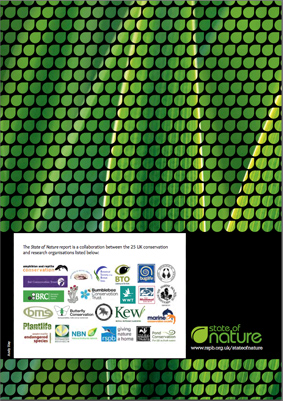 Scientists working side-by-side from 25 wildlife organisations have compiled the 'State of Nature' report. The report is the first of its kind in the UK and takes stock of our native species.
The report reveals that 60% of the species studied have declined over recent decades and more than 10% of all the species assessed are under threat of disappearing from our shores altogether. A number of reasons for the decline in species have been given including rising temperatures and habitat degradation affecting species that require specific habitats and are less adaptable.
The State of Nature report was launched by Sir David Attenborough and UK conservation charities at the Natural History Museum yesterday (Wednesday, May 22), while simultaneous events were held in Edinburgh, Cardiff and Belfast.
Freshwater and wetland habitats
On freshwater and wetland habitats, which includes ponds, lakes, rivers, streams, ditches, canals, reservoirs, reed-beds, fens and marshes, the report says that although more protection is now afforded to these areas, many are still in a poor condition. These wetland areas cover just 3% of the UK’s land surface, but support around 10% of its species.
Major factors blamed for the significant threat to wildlife and plant species are listed as water abstraction (15% of channels believed to be over abstracted), pollution (farmland and urban run-off) channel straightening (loss of natural meanders and natural banks) and the draining of ancient wetlands including the loss of 227,000 ponds on farm land between 1945 and 1998.
Freshwaters are the most intensively monitored parts of the UK’s natural environment, although monitoring focuses mainly on water quality and flow at a network of river sites and a few large lakes. However monitoring of smaller water bodies is less common despite forming most of the water network and providing homes for the majority of species.
The report says that in the UK we lack reliable trends for most conservation priority species in freshwater, such as the great crested newt, although efforts are now underway to rectify this problem.
Freshwaters are affected by more threats than any other part of the natural environment and whilst substantial efforts to control adverse impacts have been in progress for around 100 years, mitigation has often proved difficult.
On the positive side, the report says that freshwater habitats receive some of the most intensive and expensive conservation measures to control pollution, manage habitats and respond to threats. There are many well-documented examples of badly damaged rivers being improved as a result of sewage treatment, and restoration works although many river systems remain damaged.
Sir David Attenborough said:
“This groundbreaking report is a stark warning – but it is also a sign of hope.
“This report shows that our species are in trouble, with many declining at a worrying rate. However, we have in this country a network of passionate conservation groups supported by millions of people who love wildlife. The experts have come together today to highlight the amazing nature we have around us and to ensure that it remains here for generations to come.”
Dr Mark Eaton, a lead author on the report, said:
“This report reveals that the UK’s nature is in trouble - overall we are losing wildlife at an alarming rate.
“These declines are happening across all countries and UK Overseas Territories, habitats and species groups, although it is probably greatest amongst insects, such as our moths, butterflies and beetles. Other once common species like the lesser spotted woodpecker, barbastelle bat and hedgehog are vanishing before our eyes.
“Reliable data on these species goes back just fifty years, at most, but we know that there has been a historical pattern of loss in the UK going back even further. Threats including sweeping habitat loss, changes to the way we manage our countryside, and the more recent impact of climate change, have had a major impact on our wildlife, and they are not going away.”
View the full report HERE
Back to News